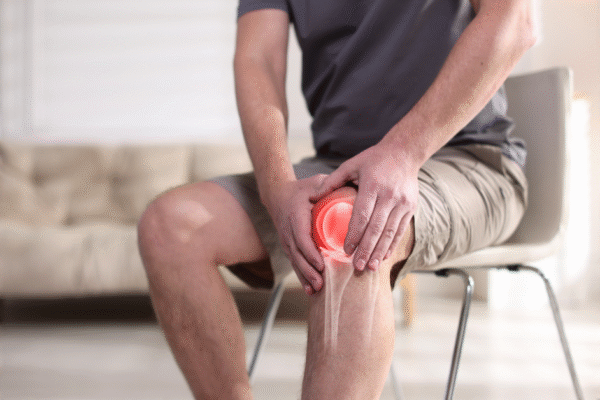

Why Oil Massage (Abhyanga) Is Essential for Managing Joint Pain Naturally

Introduction:
At first, it may feel like mild stiffness in the morning or discomfort after a long day. Over time, it can start affecting simple activities like walking, climbing stairs, or even sitting comfortably. Many people accept this pain as a normal part of aging, while others depend heavily on quick relief solutions that only mask the discomfort for a few hours. Joint pain has a way of slowly entering daily life. Ayurveda looks at joint pain very differently. Instead of asking only where it hurts, Ayurveda asks why the pain has appeared in the first place.
One of the most time-tested answers lies in Abhyanga, the traditional oil massage that has been practiced for thousands of years. This is not just a relaxing ritual. It is a therapeutic practice designed to nourish joints, calm the nervous system, and restore balance inside the body. This blog explores why oil massage is considered essential in Ayurveda for managing joint pain naturally. You will understand how Abhyanga works, why oils matter, how it supports long-term joint health, and how modern Ayurveda marketplaces make it easier to continue this ancient practice today.
Understanding Joint Pain from an Ayurvedic Perspective
In Ayurveda, joints are closely connected to Vata dosha. Vata governs movement, flexibility, dryness, and circulation. When Vata becomes imbalanced due to age, stress, poor diet, irregular routines, or exposure to cold, it often settles in the joints. This leads to dryness, stiffness, cracking sounds, swelling, and pain. Unlike modern approaches that focus only on inflammation or cartilage wear, Ayurveda sees joint pain as a sign of deeper imbalance. Weak digestion, known as low Agni, leads to the formation of toxins called Ama.
These toxins circulate in the body and lodge in vulnerable areas like joints, blocking nourishment and movement. Oil massage directly addresses this imbalance. It provides warmth, lubrication, nourishment, and grounding qualities that pacify aggravated Vata. This is why Abhyanga is not optional in classical Ayurveda but considered a foundational practice for joint care.
What Is Abhyanga and Why Is It More Than a Massage
Abhyanga is the daily or regular application of warm oil to the body, followed by gentle massage. In traditional households, it was practiced from childhood to old age, especially during seasonal changes or periods of weakness. The oil used in Abhyanga penetrates deep into tissues. According to Ayurvedic texts, oil has the ability to reach subtle channels in the body, improving circulation and nourishment.
For joints, this means better lubrication, reduced friction, and improved flexibility. Unlike surface-level massages that focus only on muscles, Abhyanga works on joints, nerves, and connective tissues. It calms the mind, relaxes muscles, and supports the body’s natural healing process. This is why many Ayurvedic practitioners consider it one of the best non-invasive approaches for joint discomfort.
Why Oil Matters So Much in Joint Care
Ayurveda says like increases like, and opposites bring balance. Joint pain caused by Vata is dry, rough, and cold in nature. Oil has the opposite qualities. It is heavy, smooth, warm, and nourishing. Using the right joint pain oil helps restore lubrication in joints that have become dry due to aging or stress. Regular oil application improves blood flow around the joint area, allowing nutrients to reach tissues that are otherwise deprived. People often search for joint pain best medicine, expecting a pill that works instantly. Ayurveda gently shifts this expectation. It teaches that consistent nourishment through oil and lifestyle changes creates deeper and longer-lasting relief than quick fixes.
Ayurvedic Oils and Their Role in Joint Health
Not all oils are the same. Ayurveda prescribes specific oils for joint pain based on herbs infused into them. An ayurvedic joint pain oil typically contains herbs known for reducing stiffness, improving circulation, and strengthening joints. Herbs like Nirgundi, Shallaki, Rasna, Eranda, and Ashwagandha are commonly used in classical formulations. These herbs work together to reduce discomfort while nourishing bones and connective tissues. When used regularly, such oils not only reduce pain but also support joint strength and mobility over time. This is why oil massage is often recommended alongside internal remedies rather than as a standalone comfort practice.
How Abhyanga Supports Long-Term Joint Health
One of the biggest benefits of Abhyanga is that it supports prevention as much as relief. People who practice regular oil massage often experience fewer flare-ups and slower progression of joint issues. Oil massage improves flexibility by keeping joints supple. It supports muscle relaxation, which reduces pressure on joints.
It also calms the nervous system, which plays a surprisingly large role in pain perception. In Ayurveda, pain is not only physical. Stress, anxiety, and mental fatigue amplify discomfort. Abhyanga helps settle the mind, making pain easier to manage and less overwhelming.
A Real Life Perspective on Oil Massage
Many people who begin Abhyanga do so out of desperation after trying multiple approaches. A middle-aged office worker dealing with knee pain, for example, may rely on pain relief sprays or tablets for temporary comfort. Over time, these methods lose effectiveness. When such individuals adopt oil massage as part of their routine, they often notice subtle changes first. Morning stiffness reduces. Movement feels easier. Sleep improves. Within a few weeks, joint pain becomes less frequent and more manageable. What stands out is not just pain reduction but improved quality of life. This is the quiet strength of Ayurvedic practices. They work steadily without dramatic promises.
Abhyanga and Modern Lifestyle Challenges
Modern life has reduced physical movement while increasing mental strain. Long hours of sitting, poor posture, lack of sunlight, and irregular meals all aggravate Vata. This makes joint pain appear earlier than it did in previous generations. Abhyanga acts as a counterbalance to this lifestyle. Even a few minutes of oil massage before a bath can ground the body and mind. It reconnects people with their physical needs, something often ignored in busy routines. For those who travel frequently or work long hours, oil massage becomes a simple yet powerful self-care practice that requires no complex setup.
Choosing the Right Joint Pain Oil
Selecting the right oil is important. Oils prepared according to Ayurvedic principles are cooked slowly with herbs so that medicinal properties transfer fully into the base oil.
A good joint pain oil should feel warming, absorb well, and leave the skin nourished without irritation. Strong artificial fragrances or overly thin textures are often signs of low-quality formulations. With the growth of Ayurveda marketplaces, it has become easier to explore authentic options and ayurvedic medicine buy online from trusted platforms. This allows people to continue traditional practices without compromising on quality or convenience.
Oil Massage Versus Only Internal Medicines
Internal medicines play an important role in joint care, especially when inflammation or degeneration is advanced. However, Ayurveda rarely relies on internal remedies alone. Oil massage complements internal treatment by improving circulation and helping medicines reach deeper tissues. Without this support, even the best medicine for joint pain may show limited results. This combined approach reflects the holistic nature of Ayurveda. It does not isolate symptoms but works on the entire system.
Seasonal Importance of Abhyanga
Ayurveda strongly recommends Abhyanga during colder seasons. Cold and dry weather aggravates Vata, increasing joint stiffness and pain. Regular oil massage during these months protects joints from worsening symptoms. Even during warmer seasons, lighter oils can be used to maintain balance. Seasonal awareness is a key aspect of Ayurvedic living and plays a major role in managing chronic joint issues.
Emotional and Mental Benefits of Oil Massage
Joint pain often brings emotional frustration. The inability to move freely can affect mood and confidence. Abhyanga provides emotional comfort along with physical relief. The act of caring for one’s body through oil massage creates a sense of grounding and self-respect. This mental relaxation reduces stress-related muscle tension, which otherwise worsens joint pain. Ayurveda recognizes this mind-body connection and uses practices like Abhyanga to address both together.
Integrating Abhyanga into Daily Life
Abhyanga does not need to be complicated. It can be practiced two or three times a week or even daily if time permits. Warm the oil slightly, apply it gently over joints and surrounding muscles, and allow it to absorb before bathing. Consistency matters more than duration. Even ten minutes of focused oil application can make a difference when done regularly.
Abhyanga in the Context of an Ayurveda Marketplace
Modern Ayurveda marketplaces bridge ancient wisdom and present-day needs. They make traditional oils, formulations, and educational resources accessible to a wider audience. When people explore ayurvedic joint pain oil through reliable platforms, they are not just buying a product. They are participating in a wellness tradition that values balance, patience, and self-awareness.
This accessibility helps revive practices like Abhyanga that were once limited to households with direct access to practitioners or traditional pharmacies. If you are looking to care for your joints naturally and build a long-term wellness routine, explore authentic Ayurvedic oils and formulations from a trusted Ayurveda marketplace. Choose quality products that respect traditional preparation methods and begin your Abhyanga practice as a daily act of self-care.
Conclusion:
Joint pain does not have to define daily life. Ayurveda reminds us that the body has an innate ability to heal when supported correctly. Abhyanga is one of the simplest yet most powerful ways to offer that support.
Through regular oil massage, joints receive nourishment, movement improves, and the nervous system calms. Over time, pain becomes easier to manage, and quality of life improves naturally. In a world looking for instant solutions, Abhyanga teaches patience and consistency. It is not just about relief but about restoring balance and dignity to the body.
Frequently Asked Questions
1. How often should an oil massage be done for joint pain
Oil massage can be done daily or at least three times a week. Consistency is more important than duration for long-term benefits.
2. Can Abhyanga replace medicines for joint pain
Abhyanga supports joint health but may not fully replace medicines in advanced conditions. It works best as part of a holistic approach.
3. Is Ayurvedic joint pain oil suitable for all ages
Yes, Ayurvedic oils can be used by adults of all ages, though the choice of oil may vary depending on body type and condition.
4. How long does it take to see results from an oil massage
Some people notice reduced stiffness within a few weeks. Long-term improvement usually develops with regular practice over months.
5. Is it safe to buy Ayurvedic joint oils online
Yes, as long as you choose reliable platforms that provide clear ingredient information and follow traditional preparation standards.